More Apache output, one more Benelli gear
The handbook Apache’s 15.46 kW is 2.16 kW above the reference Benelli. The Benelli has six gears and the Apache five. Higher output favours the Apache on that criterion; a six-speed gearbox is a Benelli feature, but does not prove lower consumption or cruising rpm.
For a purchase, assess those differences alongside dimensions, equipment and actual condition.
Which versions are compared?
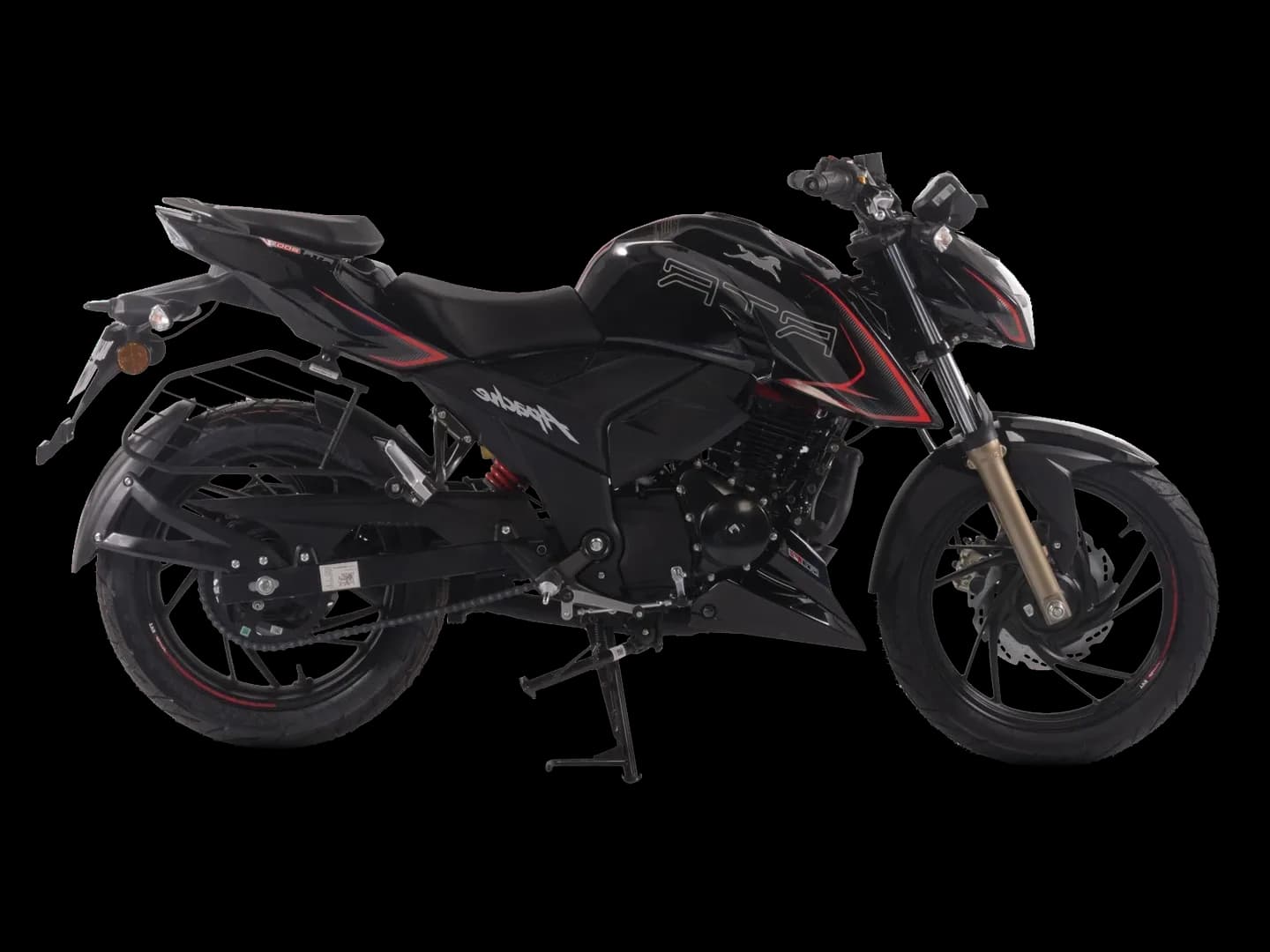
The Apache is the RTR 200 4V DFiLOGIC in the Niroomotor manual. The Benelli is the 180S on its manufacturer's international page. Neither source establishes a production year.
Verify year and trim from the motorcycle's documents. Iranian-market equipment may differ, especially ABS. Both sources were reviewed on 17 Mehr 1405 in the Solar Hijri calendar.
Apache: more declared power
The Apache manual states 15.46 kW and the Benelli manufacturer 13.3 kW. If power matters, this is a specific reason to consider the Apache.
The Apache also has a larger tank in these sources. Greater capacity does not mean lower consumption; range depends on real consumption and operating conditions.
Benelli: six speeds and liquid cooling
The Benelli has six speeds and the Apache five. This alone does not establish better consumption, acceleration or shift smoothness.
Benelli uses liquid cooling and Apache oil cooling. Both remove engine heat; cooling type alone does not determine temperature in traffic.
Examine the motorcycles in detail
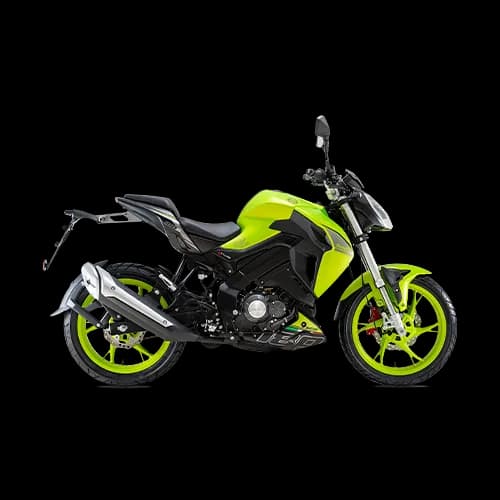
Apache RTR 200 and Benelli 180S specification table
Scroll horizontally to see all columns.
| Specification | Apache 200 | Benelli 180S |
|---|---|---|
| Engine displacement | 197.75 cc | 175.3 cc |
| Maximum power | 15.46 kW at 8,500 rpm | 13.3 kW at 9,500 rpm |
| Gearbox | Five-speed | Six-speed |
| Cooling | Oil-cooled | Liquid-cooled |
| Seat height | 800 mm | 810 mm |
| Fuel capacity | 12 L | 10 L |
| Reference length / width | 2050 / 790 mm | 2030 / 780 mm |
These figures describe the stated versions. Displacement is in cc, power in kW, and rpm is the engine speed at the declared output.
More power alone does not establish acceleration. Weight, mechanical condition and gear ratios also matter; ratios determine wheel rotation relative to engine rotation.
Why do some Apache specifications differ?
In an earlier review, Niroomotor's product page and manual disagreed on items including power and tank capacity. The reason is unclear. This table uses the manual; match the figures to the actual motorcycle before buying.
A 10 mm seat-height gap and similar overall dimensions
Reference seat heights are 800 mm for the Apache and 810 for the Benelli. The Apache is also listed as 20 mm longer and 10 mm wider. These are small differences and do not alone establish easier control or greater comfort.
If ground reach is mandatory, sit on both in your usual footwear; seat shape and width can change the practical effect of that 10 mm height gap. Measure actual width with mirrors for parking.
Separate the individual purchase cost from model specifications
The Apache’s 12-litre versus Benelli’s 10-litre tank is a capacity difference, not a fuel-economy verdict. Cooling is oil-based versus liquid; include the coolant circuit in a used Benelli inspection. Record actual parts and labour in the purchase cost sheet and condition findings in the inspection checklist.
Different criteria give different answers
Higher peak output and tank capacity favour the reference Apache. The Benelli offers a six-speed gearbox and liquid cooling. The table does not settle personal fit, suspension comfort or total ownership costs.
If ABS is mandatory, verify the actual trim; the Apache or 180S name alone is insufficient. Small specification differences also do not replace condition and service-history evidence on a used example.
Do both Apache 200 and Benelli 180S have ABS?
The model name does not give a definitive answer. Check the actual year and trim's documents and equipment. Benelli 180S ABS has a separate page. Disc brakes do not establish anti-lock braking.
Why is there no definite weight comparison?
Weight definitions are neither clear nor consistent. Dry weight normally excludes some fluids and ready-to-ride weight includes operating fluids, but exact source definitions matter. The Apache manual does not establish weight type, while Benelli sources use different labels. A definite difference is therefore not claimed.
Does the larger Apache tank mean lower consumption?
A larger tank means more fuel storage, not lower consumption. Range also depends on actual consumption, route, load and riding style.
Specification sources
Apache RTR 200 4V DFiLOGIC manual, PDF pages 164–168; official Benelli 180S specifications, and Benelli Colombia for differing weight labels. Sources were checked on 17 Mehr 1405 in the Solar Hijri calendar.
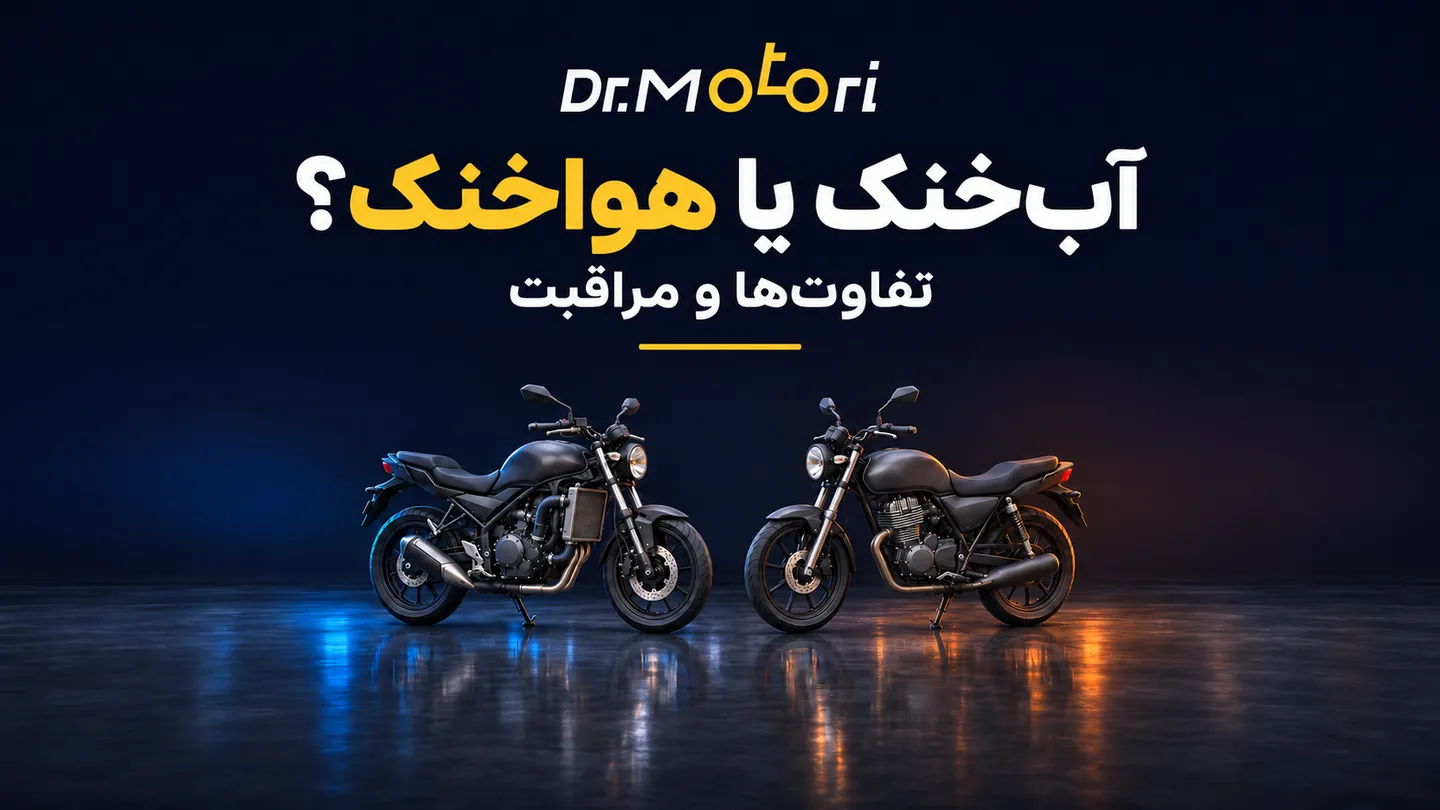
The Persian article's cover is a composite, rather than a photograph of a joint test.
The handbook and Benelli specifications were reread on 21 October 2026; Apache dimensions come from PDF page 166. The Benelli reference is the manufacturer’s international page. Its internal model page retains Nikrun’s Iranian listing, which states 175 cc versus 175.3 cc internationally. Match source and equipment differences to the actual motorcycle.