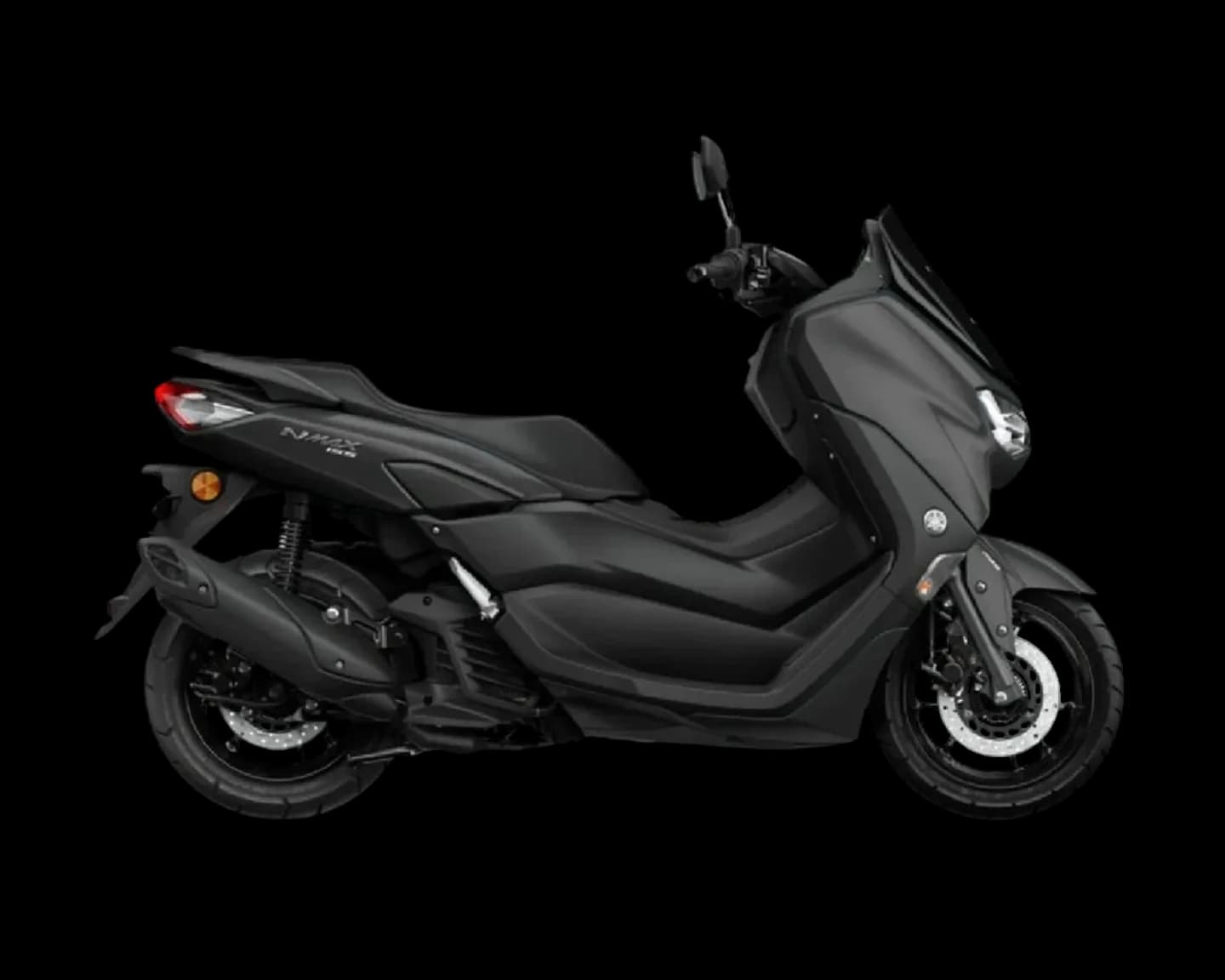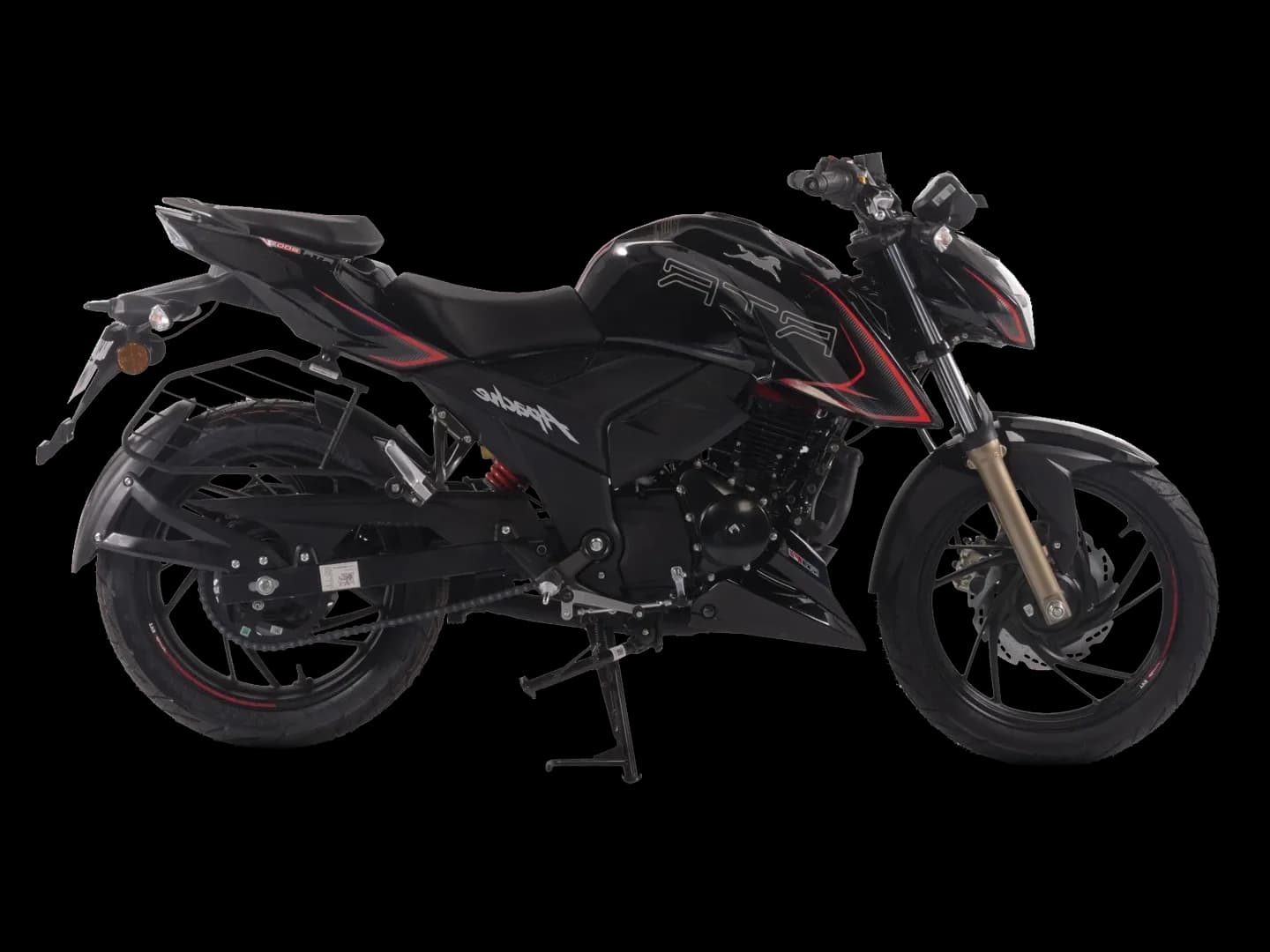
Where should you start?
When buying a used motorcycle, first confirm the model and documents, then check its service history and mechanical condition. Finally, add essential repair costs to the purchase price. A clean appearance and low mileage do not, by themselves, prove that a motorcycle is in good condition.
You do not need to act as a mechanic during the viewing. Your job is to ask the right questions, record anything uncertain and have a trusted mechanic inspect the motorcycle before you pay.
Ask these four questions before the viewing
- What are the exact model, production year and trim? A trim is a version of a model with particular equipment. Compare photos of the documents and the name on the motorcycle with the advertisement.
- What servicing and repairs have been carried out? Ask to see the receipts at the viewing. "Everything has been replaced" is no substitute for a list of parts and the dates of the work.
- Has the motorcycle been dropped, or has a major part been repaired? Record the answer so you can ask about that area during the inspection.
- Can it be inspected independently at a workshop? Agree the time and place before meeting.
Match the specifications to the actual motorcycle
Two motorcycles with similar names may have different equipment. For example, do not assume that a model has ABS, or anti-lock braking, from its name alone. Check the equipment fitted to that particular motorcycle and the explanation in its manual.
Before the viewing, find the model on DrMotori. Read the year and market covered by the source and mark anything uncertain to ask the seller. A specification page describes the model; the condition of the individual motorcycle for sale requires a separate inspection.
Watch the engine start; do not guess the fault
The engine is the part that produces the motorcycle's power. Ask the seller to start it. Record any difficulty starting, unusual noise, stalling or fluctuating engine speed while stationary. Show any oil leaks to the mechanic as well.
A single noise cannot tell you which part is faulty or how much the repair will cost. Even a quick start does not prove that everything is healthy. What you need is the mechanic's explanation of the fault and the work required to fix it, rather than a roadside guess.
A sign of a drop is not automatically serious damage
Scratches on the handlebar ends, brake lever or footrests, and a dent in the fuel tank, can indicate a drop. Ask what happened and what was repaired. A superficial scratch alone does not establish the severity of the damage.
Leave inspection of the chassis, the motorcycle's main frame, and diagnosis of damage to a mechanic. If you see suspicious repainting, welding or repairs, establish the reason before proceeding. Equally, an unmarked body is not sufficient evidence that the motorcycle has never been in an accident.
Do not overlook the brakes, tyres and steering
Alongside the engine, check the brakes and tyres. Cracks, bulges and excessive tyre wear need inspection. The mechanic should also examine the brake pads, a wear item, and the discs, the metal braking surfaces beside the wheels.
The steering should move without binding. Check the headlight, indicators and brake light. Leaks around the front suspension, which absorbs bumps, need attention. On a chain-driven motorcycle, also ask about the chain and sprockets; a sprocket is the toothed wheel around which the chain runs.
If you have doubts about the brakes, steering or tyres, do not take the motorcycle onto the road to test it. Arrange the mechanical inspection first. Any test ride requires safe conditions and an experienced rider.
Keep this worksheet for the viewing
Scroll horizontally to see all columns.
| Area | What to record | Next step |
|---|---|---|
| Model and documents | Model name, year and trim; questions about documents and ownership | Verify the information and ownership independently before paying. |
| Service history | Receipts, replaced parts and dates of work | Ask the mechanic about anything without supporting records. |
| Engine and leaks | Starting behaviour, unusual noises and leak locations | Request a diagnosis and repair estimate. |
| Body and chassis | Location of damage or repairs and the seller's explanation | Have the mechanic assess the severity and effects of the damage. |
| Brakes, tyres and steering | Parts needing attention and faults observed | Establish whether it is safe before riding. |
| Cost | Parts, labour and completion time | Add essential work to the purchase price. |
Use this sheet to record your questions and the inspection findings. Ticking the rows does not replace a professional mechanical inspection.
Turn the service history into a clear plan
An oil-change or repair receipt helps establish what work has been done. Read the date, recorded mileage and description of the work. Missing receipts do not, on their own, prove a fault, but part of the history remains unknown to you.
Ask the mechanic which services are needed now, based on the current condition and that model's manual, and which can follow the normal schedule. Do not assume one fixed service interval for every motorcycle. Usage also matters: a motorcycle carrying loads every day or travelling on rough roads needs checks appropriate to that use.
What should the repair estimate include?
- The fault or part requiring replacement, and the reason.
- A distinction between work essential before use and maintenance due later.
- A parts price with a specified brand and quality, separately from labour, plus the date and city of the quote.
- The time needed to obtain the part and complete the work.
- Anything not yet inspected, or requiring dismantling and further checks to diagnose.
Resolve uncertainties before paying
Put the seller's asking price alongside the cost of essential work. If a significant fault has not yet been diagnosed, do not assume the repair will cost nothing. If the motorcycle will be your work vehicle, also consider the time it will spend in the workshop.
Do not rush to pay if the documents or ownership are unclear, the seller will not agree to an independent inspection, or you lack an estimate for a major fault. "It can be fixed later" is not an adequate answer to an unresolved issue.
To compare the total costs of two options, see the worked example of new-versus-used motorcycle costs.
Still choosing between two models?
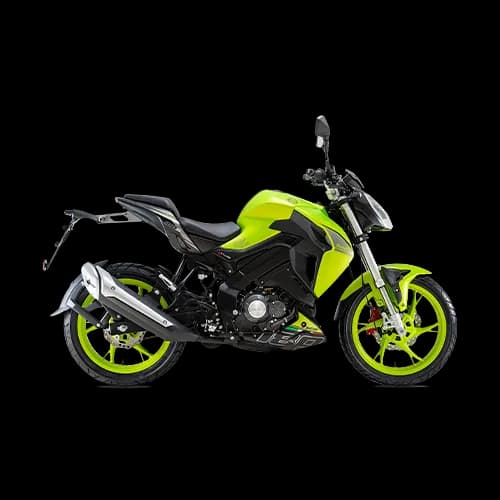
Assessing the model and assessing an individual used motorcycle are separate questions. For example, if the Apache 200 and Benelli 180S are on your shortlist, first compare their versions and equipment. Then inspect each motorcycle available to buy separately for condition and cost.
The Apache versus Benelli comparison guide is a starting point for that comparison.
Explore the Apache and Benelli specifications
Does a low-mileage motorcycle still need a mechanical inspection?
Yes. Low mileage does not reveal how it has been maintained or the condition of every component. Consider it alongside the service history and inspection findings.
Is a repaired motorcycle necessarily a bad choice?
No. What matters is which part was repaired, why, and how. Base the decision on an independent inspection and the remaining costs, rather than the labels "repaired" or "never repaired" alone.
What should I do at the viewing if I do not know motorcycles?
Record the questions and answers in this article's worksheet and arrange an inspection by a trusted mechanic before paying. You do not need to diagnose noises or leaks yourself to make a decision.
Sources and review date
Sources were reviewed on 17 Mehr 1405 (October 9, 2026). The technical guidance was checked against Honda's used-motorcycle buying guide, Honda's maintenance guide, the MSF inspection checklist, and Honda's explanation of inspections and usage. The MSF checklist is for pre-ride inspection; it does not, by itself, certify the condition of a used motorcycle. This article is not a test or inspection report for a particular motorcycle.