The main difference at a glance
ABS, or anti-lock braking, is designed to prevent a wheel from locking during braking. CBS, or combined braking, distributes part of the braking effort between the front and rear wheels when one lever or pedal is operated. CBS alone is not an anti-lock system.
When comparing two similar motorcycles, consider properly functioning ABS an important safety advantage. Before comparing prices, however, establish which wheels it covers and whether the exact version offered to you has it.
What does ABS do?
A wheel locks when it stops rotating under braking while the motorcycle is still moving. ABS uses sensors measuring wheel speed to detect the risk of locking and adjust brake pressure. Its aim is to keep the wheel rotating and help maintain motorcycle stability.
This assistance is particularly important during heavy braking or on slippery surfaces. ABS does not, however, guarantee that the motorcycle will never fall or will stop within a fixed distance. Speed, road conditions and tyres still affect the braking outcome.
What does CBS do?
On many motorcycles, the front and rear brakes are controlled separately. CBS links them. For example, on some scooters, operating the rear brake lever also applies some front braking. Read the exact mechanism in the manual for that motorcycle.
The system helps coordinate the use of both wheel brakes. Having CBS does not mean that you no longer need to use the front brake: Honda's explanation of the system still calls for correct use of both brakes.
ABS and CBS compared
Scroll horizontally to see all columns.
| Question | ABS: anti-lock | CBS: combined |
|---|---|---|
| What is its main function? | Control the risk of wheel lock during braking. | Link the front and rear brakes. |
| Is it anti-lock? | Yes, on the wheels covered by the system. | Not on its own. |
| What should you ask before buying? | Does it operate on one wheel or both? | Which lever or pedal activates braking on both wheels? |
| Can both be fitted together? | Yes; some systems provide both functions. | Yes; the presence of one does not establish the absence of the other. |
This table compares what the two systems do; it is not a ranking of the brakes on every model in the market.
What do single-channel and dual-channel mean?
In common motorcycle systems, single-channel ABS controls only the front wheel brake. Dual-channel ABS provides anti-lock operation for both front and rear wheels. The statement "it has ABS" is therefore not a complete description.
Do not confuse dual-channel ABS with "disc brakes on both wheels". A disc is the metal surface beside the wheel against which the brake acts; the number of discs does not establish the presence of anti-lock braking. Check the ABS specification and the wheels covered separately in the specifications and manual.
Does ABS always stop a motorcycle sooner?
No. The main purpose of ABS is to prevent wheel lock. A shorter stopping distance cannot be guaranteed for every motorcycle and road surface; under some conditions, the distance may even increase.
If a seller says, "This motorcycle stops in half the distance with ABS," ask for test evidence with clearly defined conditions. Without knowing the model, speed, tyres and surface, that number is not a reliable buying guide.
Ask these four questions before buying
- What are the exact model, year and trim? A trim is a model version with specific equipment. Do not apply the specifications of one overseas version to every example sold in Iran.
- Does anti-lock braking cover the front wheel only, or both wheels? The answer should be clear in reliable specifications for that version or in its manual.
- If it has CBS, how does the manual instruct you to use the levers and pedal? Do not guess the operating method from an explanation for another model.
- On a used motorcycle, how have the ABS warning light and system condition been checked? Have a trusted mechanic inspect them before you pay.
An ABS badge is not enough on a used motorcycle
Check the ABS warning light according to the manual for that model. Its normal illumination and extinguishing may depend on the conditions when moving off; do not assume one fixed time or speed for every motorcycle. If its behaviour does not match the manual, the cause needs investigation.
Do not perform emergency braking on public roads to test ABS. Your aim when buying is to obtain a professional inspection result. To prepare for the viewing, see the used-motorcycle buying checklist.
Is ABS worth paying more for?
When comparing two similar motorcycles in good condition, we recommend prioritising ABS among safety features. Then consider the price difference alongside how well the motorcycle meets your needs, its mechanical condition and maintenance costs.
Keep a budget for a suitable helmet and essential maintenance as well. A used motorcycle with ABS but an uncertain mechanical condition does not become a sound choice simply because it has that label. To compare the purchase price and initial costs, read the new-versus-used motorcycle guide.
Now check the specifications of your shortlisted models
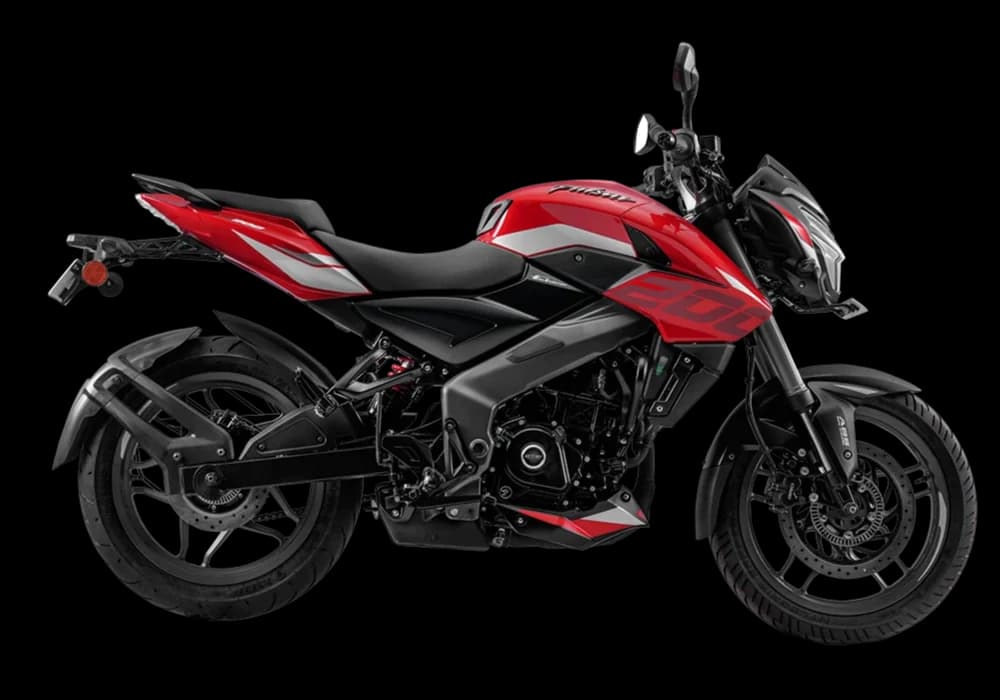
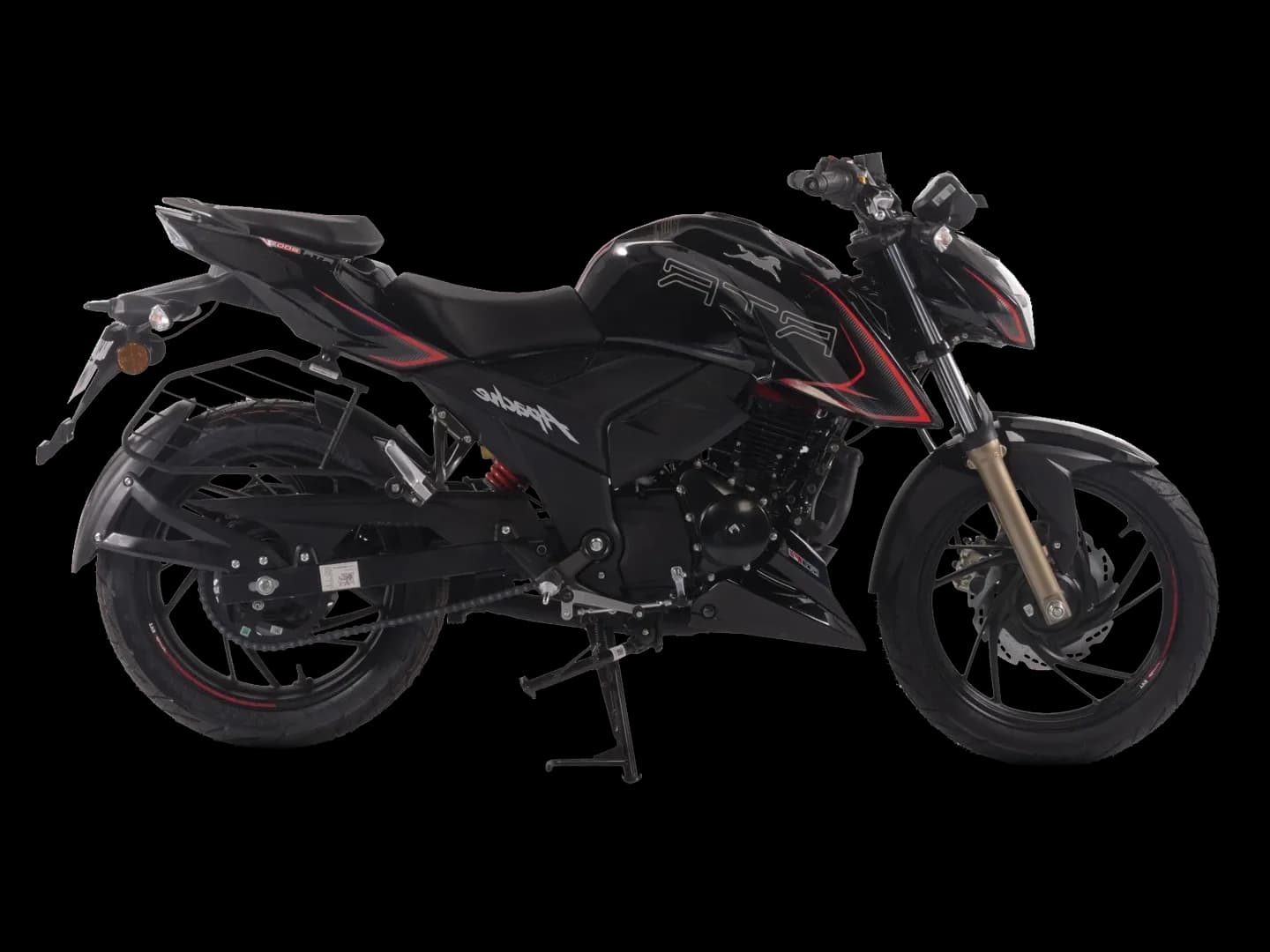
For example, if the Pulsar NS200 and Apache 200 are on your shortlist, review the braking details and version descriptions on the pages below. Their model names alone do not prove that ABS is fitted or identify its type.
After confirming the equipment, also read the Pulsar versus Apache comparison so that the other differences remain part of your decision.
Pulsar and Apache specification pages
Sources and review date
Sources were reviewed on 18 Mehr 1405 (October 10, 2026): Honda's advanced braking systems introduction, Honda's ABS and combined-braking questions and answers, Bosch's motorcycle ABS explanation, and the braking and warning-light sections of the 2022 Honda PCX owner's manual. The PCX manual was used to check explanations of operation and warnings; its specifications are not applied to other models or every version sold in Iran. This article is not a brake-test report for a particular motorcycle.